
Nissens 961604 MINI Cooper S R53 JCW GP Intercooler Review & DIY Shroud Build
This is my experience with the Nissens 961604 MINI Cooper S R53 JCW GP intercooler and building a custom shroud.
Initial Impressions & The Swarf Issue
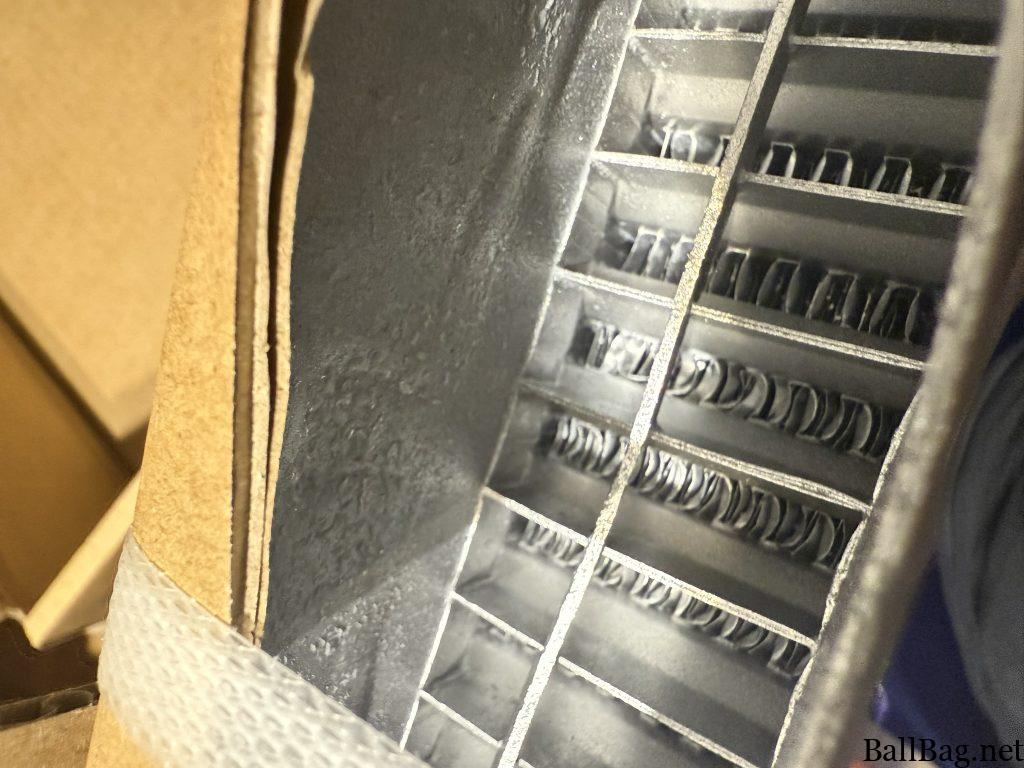
I ordered two intercoolers—one for me and one for @R53BudgetBuild. On arrival, I noticed what looked like lots of swarf inside. The online community was divided: some said to send them straight back, while others reported theirs was the same and worked fine. We tried various methods to reduce the swarf but ultimately decided to install them and test their performance and we have a spare engine on standby.
Unboxing Photos
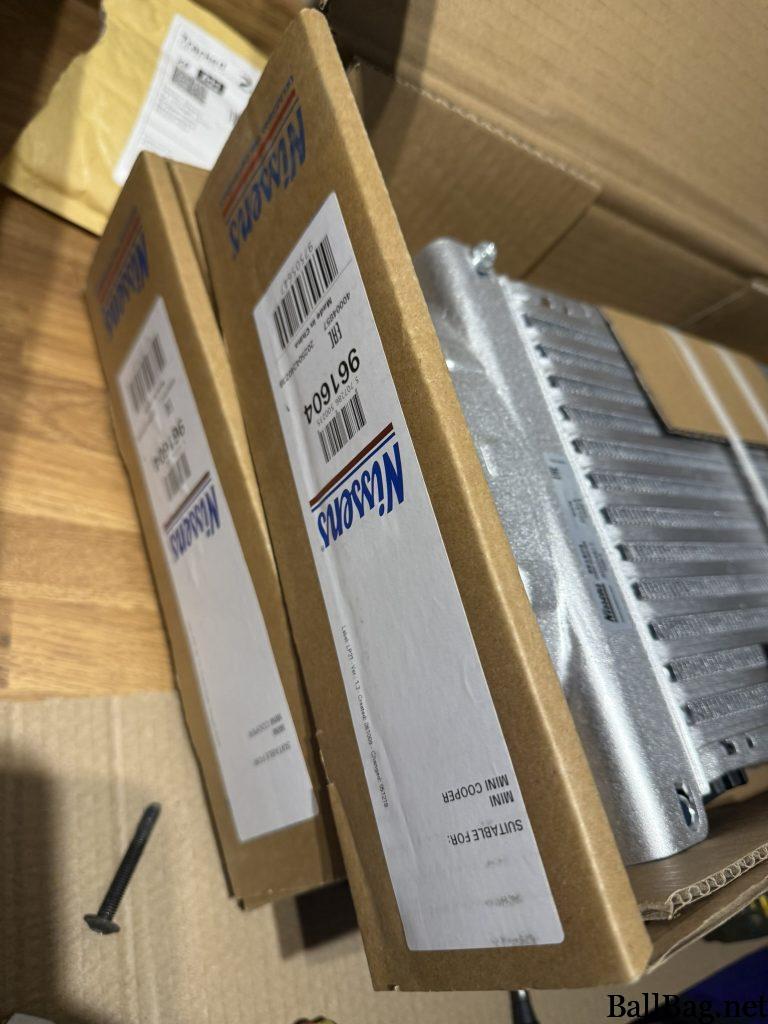
The intercoolers themselves were inexpensive compared to factory OEM MINI parts, which made me hesitant to order given the swarf complaints online. When they arrived, this is what we found. Despite the mixed opinions, both units have been fitted and are actually working well—more on performance later.
inside the core
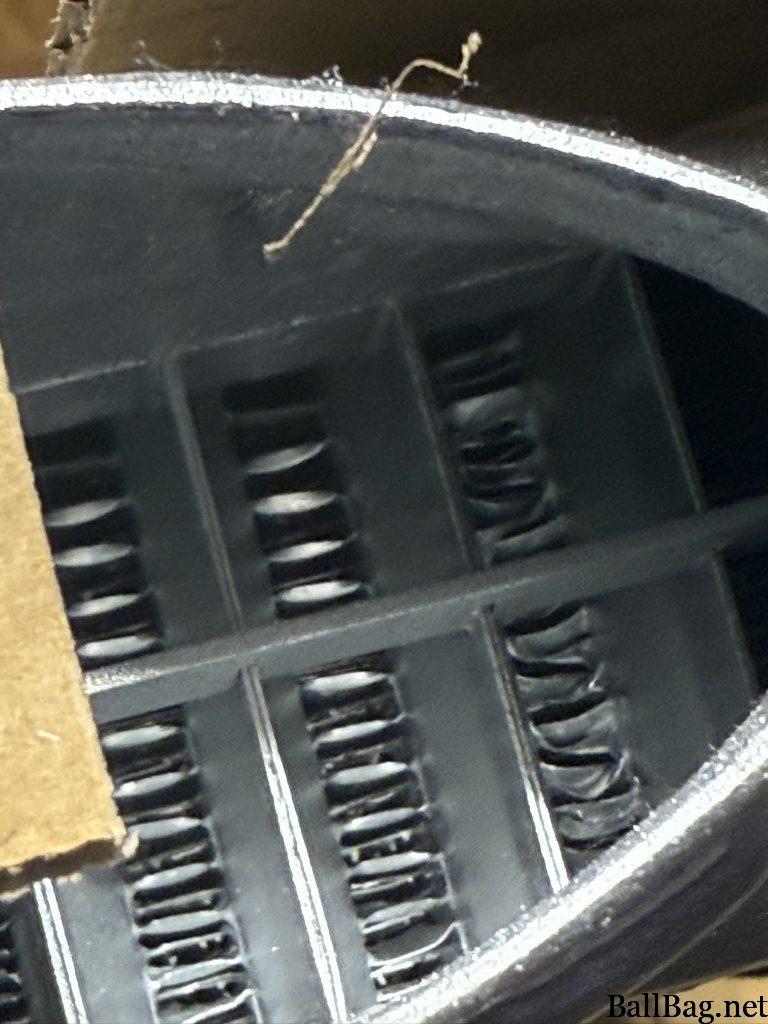
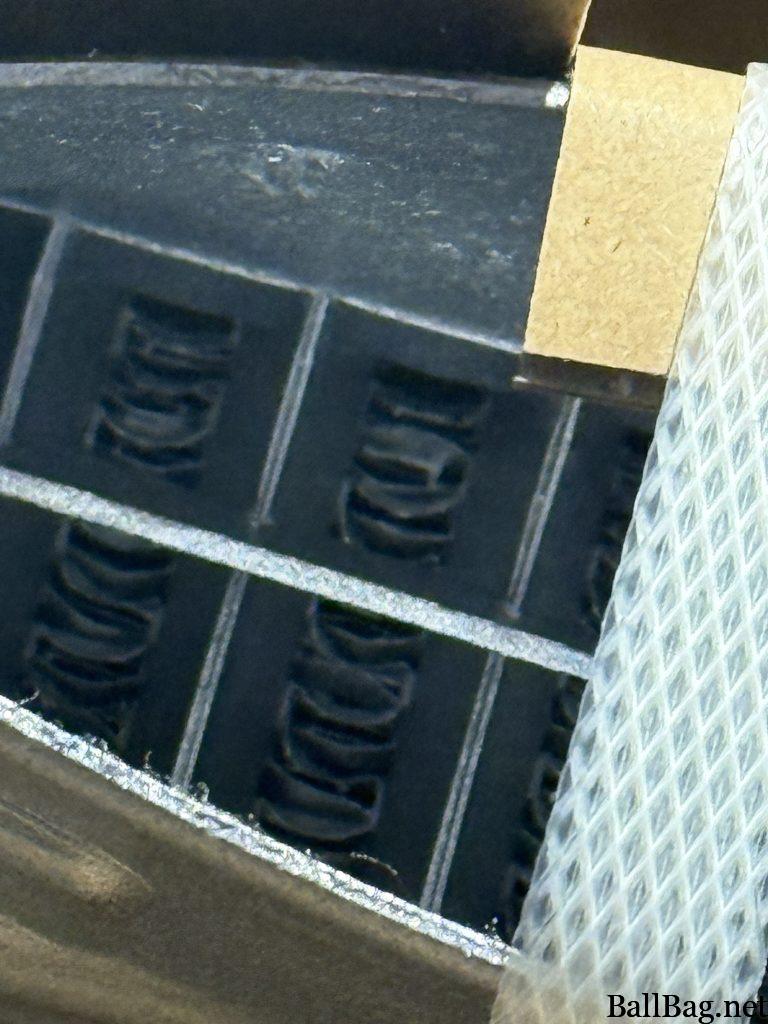
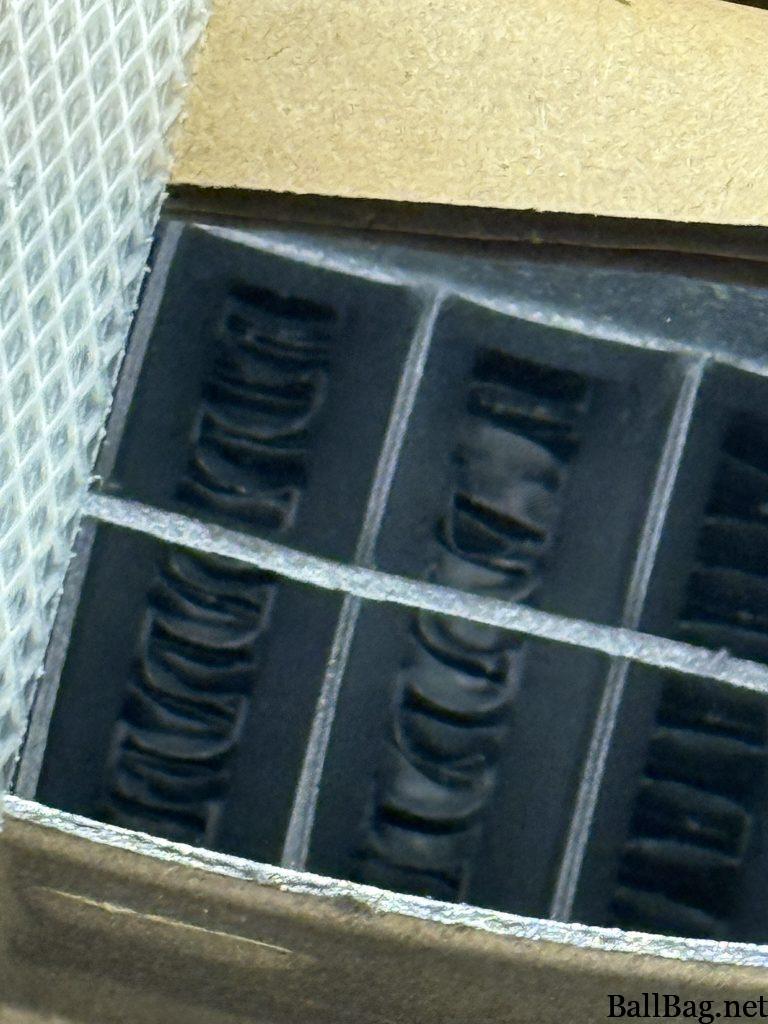
Building a DIY Diverter Plate
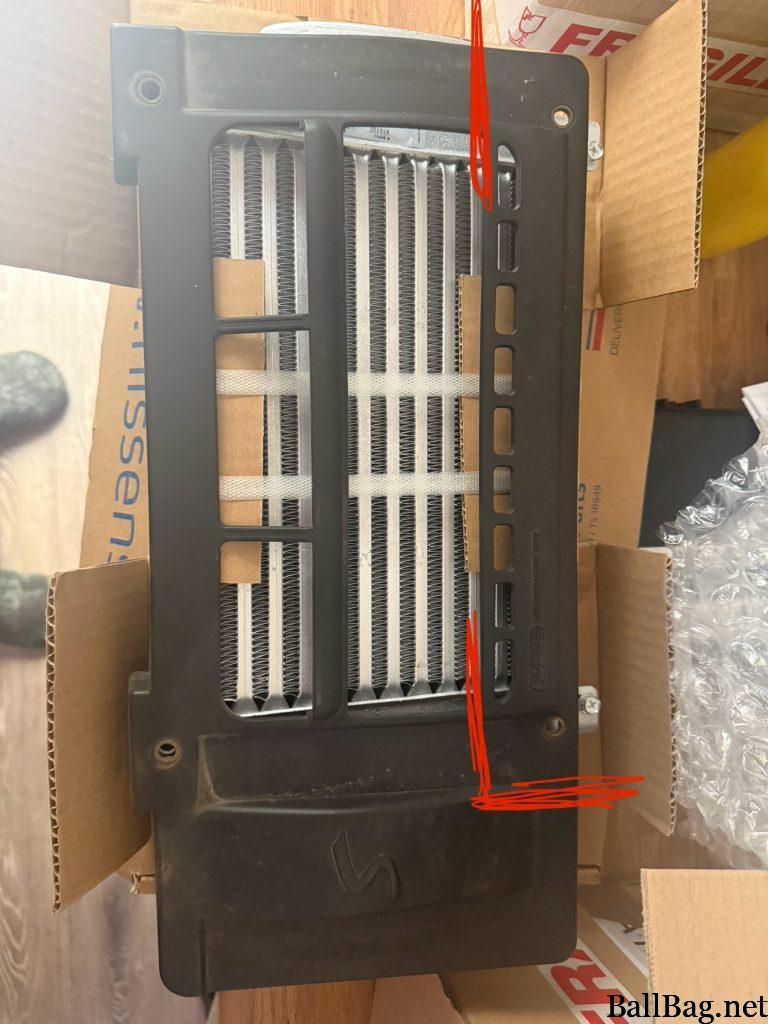
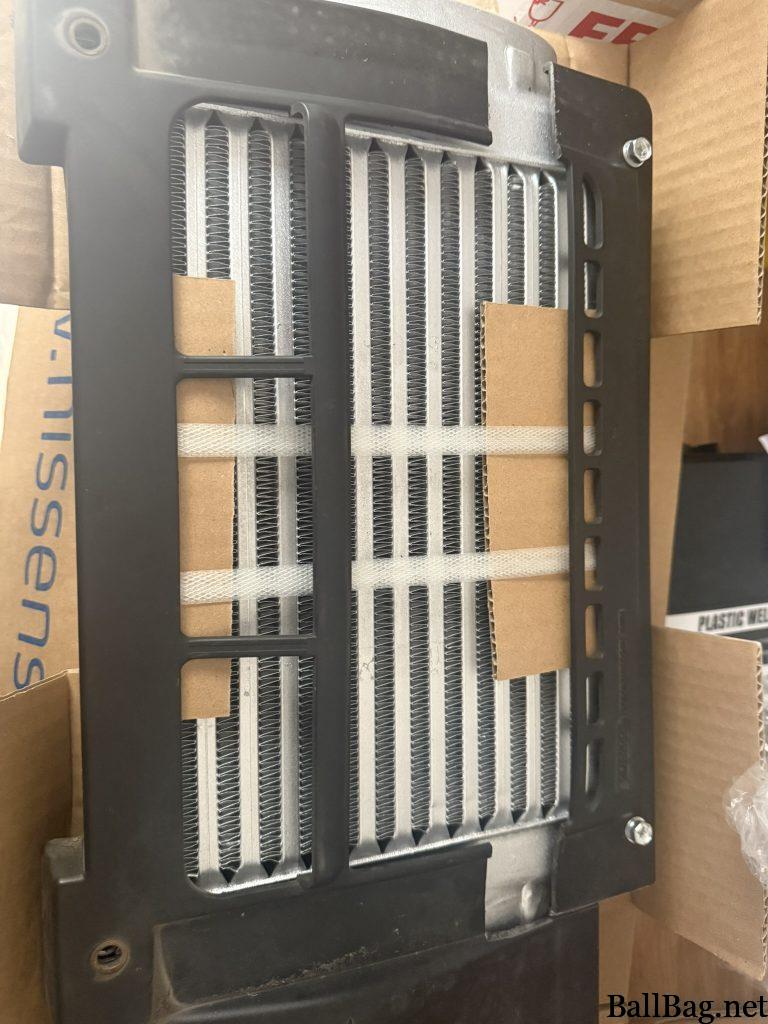
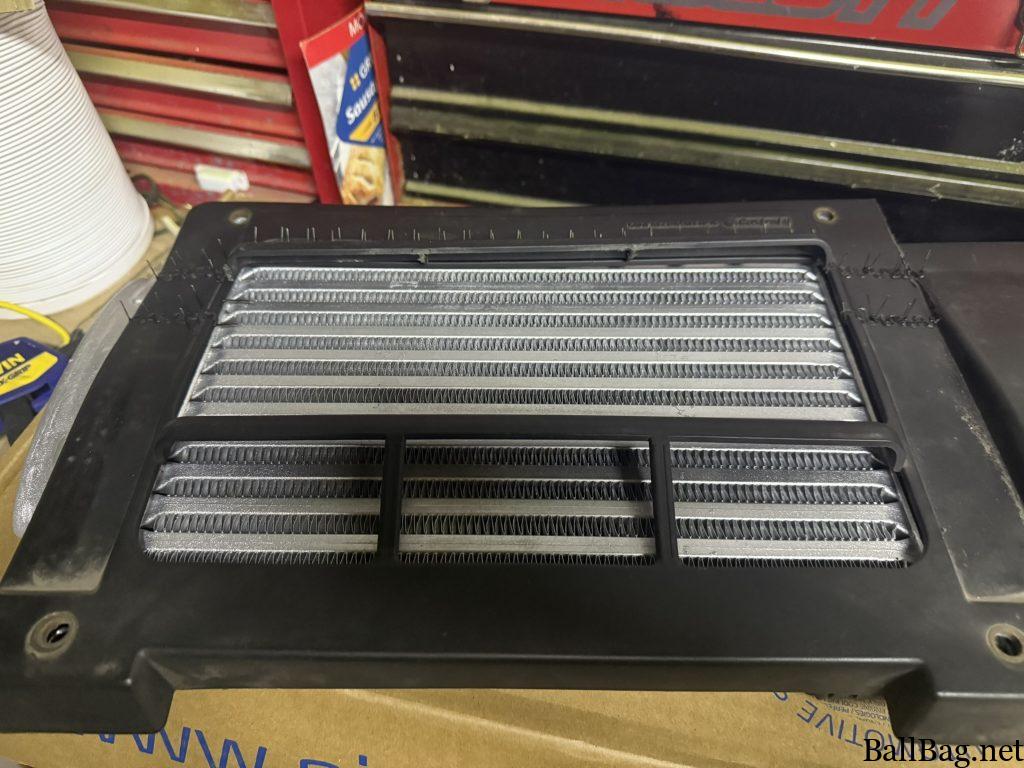
We figured out a budget-friendly approach to creating a diverter plate: plastic welding two standard MINI Cooper S R53 intercooler covers together rather than spending money on aluminium fabrication or purchasing the very expensive OEM component.
@R53BudgetBuild took a different approach to his build—check out his Instagram post here.
My Build Process
Lessons Learned
I filled in the gaps, plastic welded everything together, and applied plastic filler over the seams. This was my first time using a plastic welder, and I learned several things:
- I should have welded from the underside for a cleaner finish
- More precise measurements would have helped
- I prefer how @R53BudgetBuild cut their diverter plate
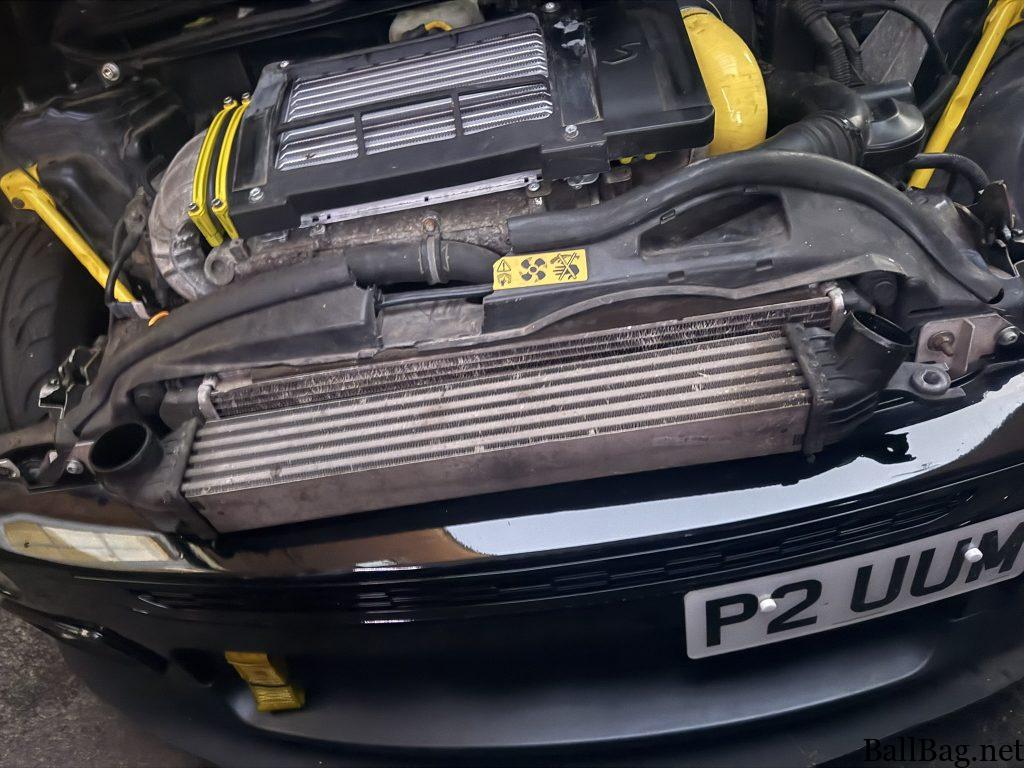
After installing it on the car, the left-hand side sticks up slightly—I think it just needs a small cut to allow it to sit flush. But proof of concept achieved! I can’t find another photo of the cooler when fully installed, but as a bonus, you can see a MINI R56 diesel intercooler in the lower half of this picture. We’re currently in the process of installing a smaller radiator to see if we can fit a £15 front-mount intercooler with some DIY TIG welding work on the standard horns—lots of trial and error. More on that soon.
Performance Testing & Results
In every online discussion about intercoolers, someone always claims the GP intercooler is superior to the eBay cooler, Airtec top mount, GRS top mount, and other top-mounted air-to-air intercooler variations. We wanted to test this claim ourselves.
Real-World Testing
While we haven’t done formal data logging, I’ve swapped from an Airtec front-mounted intercooler to an eBay top-mount intercooler, and now to the GP intercooler with a DIY diverter plate. Honestly, the experience wasn’t as impressive as I’d hoped.
Temperature Comparison:
- GP Intercooler: Air intake temperatures peaked around 65-66°C on extended pulls
- eBay Cooler: Peaked around 60°C from memory, but took longer to heat soak
One advantage the GP cooler has that cannot be denied is its excellent recovery time, even after an aggressive driving session.
My Recommendation
Knowing what I know now, if I had an eBay intercooler that was working well, I would stick with it. I personally don’t see the value in upgrading to the Nissens GP cooler based on my testing.
What’s Next?
@R53BudgetBuild and @R53HomeBrew are currently fitting a smaller radiator and building a pair of DIY front-mount intercoolers to sit in the top grille. This has been done before by others (that know what they are doing), but if successful, we’ll post the part numbers and detailed pictures.
